
Introduction
Imagine learning to drive a car by only reading the manual no steering wheel, no traffic, no real road.
Now imagine stepping into the IT job market with the same gap.
This is where most learners struggle.
Many IT training companies teach theories, tools, and concepts. But very few prepare learners for real problems, real clients, real deadlines, and real teamwork. That practical exposure is what hiring managers want the most. A 2024 Job Skills Report revealed that 76% of employers prefer candidates who worked on hands-on projects, and 82% believe project experience helps reduce training time after hiring.
This is exactly where IITWorkforce becomes different.
IITWorkforce focuses on real client simulations, real-time deliverables, structured workflows, sprint-based tasks, and industry-level project training. It transforms beginners into confident, project-ready candidates. It builds the mindset companies expect. And it supports your journey with strong career guidance and it training and job placement near me opportunities.
This detailed guide will show how IITWorkforce stands apart from typical IT training companies and why thousands choose it to build project experience and gain confidence in their IT career journey.
Practical IT Learning: How Most Training Companies Work
Before we explore what makes IITWorkforce different, let’s understand how traditional IT training companies operate.
Theory-Heavy Curriculum
Most institutes follow this pattern:
- Long hours of theory
- Tool demonstrations
- Recorded videos
- Slides and notes
Learners understand the concept but cannot apply it in real projects.
Minimal Project Exposure
Some companies provide:
- Small tasks
- Pre-built templates
- Simple case studies
But employers do not treat these as real project experiences.
No Client Interaction
Most training settings do not simulate:
- Client meetings
- Requirement analysis
- Grooming sessions
- Issue discussions
So learners struggle in interviews when asked:
- “How did you handle changing requirements?”
- “How did you manage your test plan or user stories?”
- “How do you report issues to stakeholders?”
Lack of Industry Tools
Many companies only show tools. Learners rarely:
- Install tools themselves
- Debug errors
- Work with real datasets
- Use version control or Agile boards
Limited Support for Job Readiness
Most courses do not offer:
- Resume support
- Mock interviews
- Real project references
- Guidance on job applications
This leaves learners unsure and unprepared.
What Makes IITWorkforce Different?
A Deep Dive into Hands-On, Real-World Project Training**
IITWorkforce transforms IT training into real industry experience.
Below are the core differences.
Real Client Scenarios Not Just Classroom Tasks
Many training companies teach generic examples.
IITWorkforce trains learners using industry-specific projects that reflect real client expectations.
Examples of Real Client Scenarios:
- Creating requirement documents based on changing customer needs
- Testing live healthcare workflows: patient registration, billing, claims
- Creating user stories and acceptance criteria
- Data validation on real business datasets
- Debugging issues across sprint cycles
- Creating SQL reports for dashboards
- API testing for payment systems
- Business process mapping for banking transactions
Each task mirrors a real job role.
Sprint-Based Workflows Just Like Real IT Teams
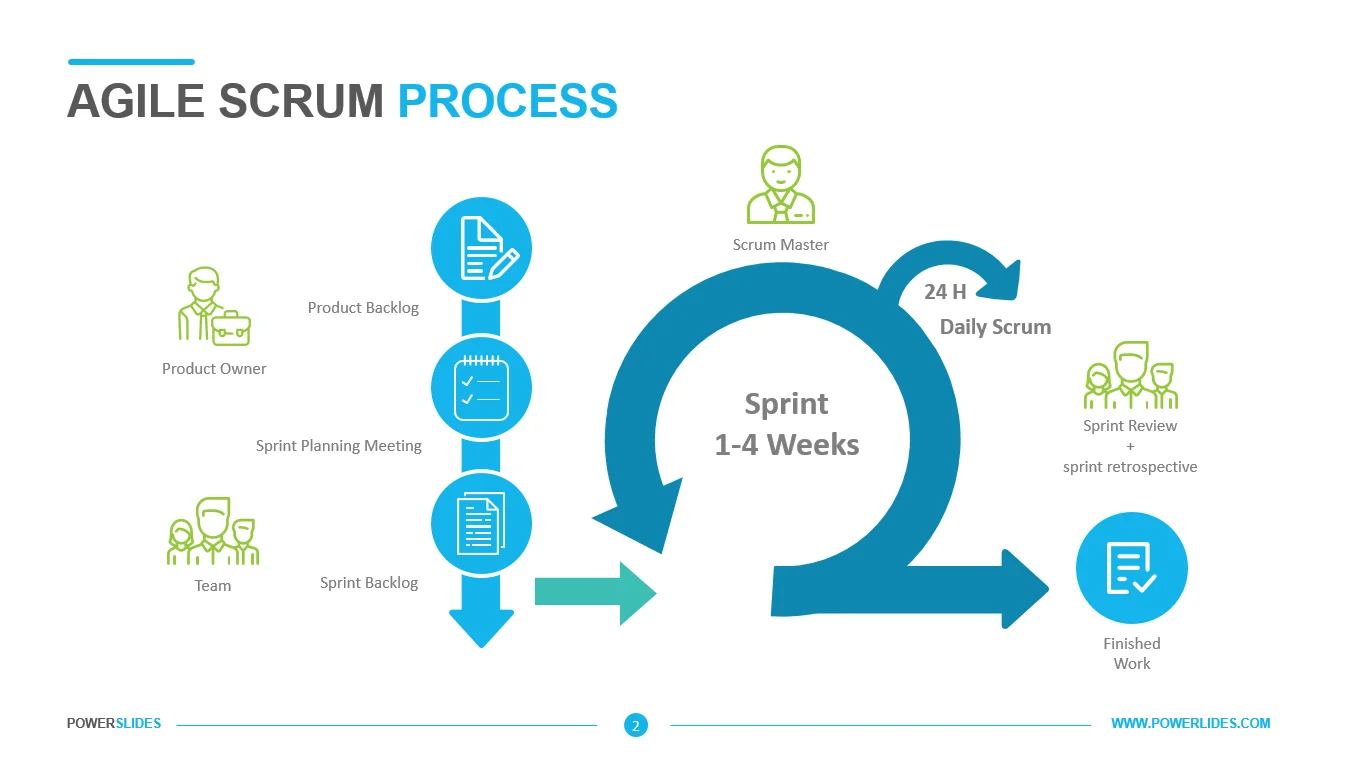
IITWorkforce follows Agile Scrum, the most widely used project management approach in IT.
Learners take part in:
- Sprint planning
- Grooming meetings
- Daily standups
- Bug triage sessions
- Sprint reviews
- Retrospective meetings
This builds true workplace readiness.
Example Sprint Workflow Diagram:
Real Roles, Real Responsibilities
Unlike generic IT courses, IITWorkforce assigns job-based roles:
Roles Examples:
- QA Analyst
- Automation Engineer
- Business Analyst
- Data Analyst
- Python Developer
- API Tester
- Scrum Master
- DevOps Support Engineer
Each learner works as part of a team, not alone.
Sample Responsibilities:
| Role | Responsibilities |
| QA Analyst | Test case writing, execution, defect tracking |
| Business Analyst | Requirement gathering, workflow mapping |
| Data Analyst | Data cleaning, SQL queries, dashboard creation |
| Automation Tester | Selenium scripts, framework maintenance |
| DevOps | Build pipelines, version control tasks |
This prepares learners for actual job responsibilities.
Exposure to Industry Tools That Companies Actually Use
Most IT institutes demonstrate tools.
IITWorkforce makes learners use tools in real workflows.
Examples of Tools Learners Use Hands-On:
- JIRA for user stories & bug tracking
- Selenium & Python for automation
- SQL & databases for data validation
- Postman & Swagger for API testing
- Git & GitHub for version control
- Agile boards for sprint planning
- Excel for BA workflows
- Tableau/Power BI for analytics
Learners practice tool errors, version mismatches, installation issues
exactly what happens in real IT jobs.
Real-Time Deadlines and Deliverables
Every project includes:
- Weekly targets
- Daily tasks
- Submission deadlines
- Peer reviews
- Defect resolution
- End-of-sprint demos
This creates discipline and builds confidence.
Industry Mentors With Real Project Experience
IITWorkforce trainers are:
- Working professionals
- Project managers
- Engineers from active IT teams
They share:
- Actual work incidents
- Problem-solving strategies
- Best practices
- Interview insights
This makes the learning practical and industry-oriented.
Real Project Documentation A Major Differentiator
One of IITWorkforce’s biggest strengths is documentation-based training.
Learners create documents such as:
- BRD
- FRD
- RTM
- Test Plans
- Test Cases
- SQL Query Sheets
- Defect Reports
- Workflow Diagrams
- Sprint Notes
- Data Models
This is the exact documentation used in IT companies.
Collaboration Skills: Working as a Real IT Team

Real IT jobs require:
- Communication skills
- Team collaboration
- Stakeholder updates
Learners practice:
- Writing status updates
- Defending decisions during reviews
- Presenting analysis
- Reporting defects clearly
- Collaborating with teammates
By practicing teamwork, learners become more employable.
Real-World Problem Solving Not Just Theory
IITWorkforce trains learners to solve real errors, such as:
- Selenium script failures
- API timeout issues
- SQL syntax errors
- Data mismatch in dashboards
- Requirement changes during sprint
- Unexpected client feedback
These experiences help in interviews and jobs.
Step-by-Step Practical Learning With Guided Mentorship
Every learner follows a structured learning framework:
Step 1: Understand Requirements
Learners join requirement-gathering calls.
Step 2: Break Down Tasks
Tasks are assigned in JIRA or Agile boards.
Step 3: Execute Work
Learners work hands-on with real data and tools.
Step 4: Review and Fix Errors
Mentors help debug issues.
Step 5: Present Deliverables
Learners present their work to mentors and peers.
Step 6: Prepare for Interviews
Learners restructure their project experience for resumes.
How IITWorkforce Supports Job Readiness Better Than Other Companies
IITWorkforce does not stop at project work.
It also supports learners with it certification classes and job-focused tasks.
Resume Building Based on Real Projects
Learners receive:
- Project-based resumes
- Role-specific versions
- Strong project descriptions
- Measurable achievements
Recruiters immediately notice these resumes.
Mock Interviews Based on Actual Job Patterns
Mock interviews include:
- Technical rounds
- Project-based questions
- Real scenario questions
- Behavioural questions
Learners perform better in actual interviews.
Job Application Guidance With Personalized Roadmaps
Learners receive:
- Daily job search strategies
- Job portal optimization
- Resume keyword enhancements
This increases response rates.
Strong Career Support With it training with job placement
IITWorkforce’s project experience builds job-readiness.
Learners get:
- Referrals
- Career mentoring
- Project certification
- Interview support
This is a major difference from regular IT training companies.
How IITWorkforce Creates Industry-Level Confidence
Most institutes make learners dependent on instructors.
IITWorkforce helps learners become independent problem-solvers.
IITWorkforce builds confidence through:
- Responsibility
- Accountability
- Real collaboration
- Real pressure
- Real decision-making
This helps learners stand out in competitive job markets.
Comparison Table: IITWorkforce vs. Typical IT Training Companies
| Feature | Typical IT Training Companies | IITWorkforce |
| Theory-to-Practice Ratio | 80% Theory / 20% practice | 20% Theory / 80% real project practice |
| Project Type | Basic examples | Real client scenarios |
| Tools Usage | Demonstrations | Full hands-on usage |
| Work Model | Individual tasks | Real team workflows |
| Deadlines | Optional | Mandatory |
| Documentation | Minimal | Full IT documentation |
| Agile Experience | Rare | Daily Scrum |
| Support | Limited | Structured job readiness |
| Tools | Outdated | Industry-standard |
| Job Preparation | Weak | Strong it training and job placement near me support |
Why Real Projects Matter More Than Certifications Alone
Certifications help you pass tests.
Projects help you pass interviews and perform well at the job.
Employers ask:
- “Tell me about your project.”
- “Explain the workflow you followed.”
- “What challenges did your team face?”
- “How did you solve an issue?”
IITWorkforce trains you to answer such questions confidently.
Key Takeaways
- Practical project training defines real IT career success.
- IITWorkforce offers real client tasks, real teamwork, real tools, and real responsibilities.
- It builds project experience employers value.
- It provides strong job readiness support with it training with job placement.
- It helps learners become confident, independent professionals.
Conclusion
Start your IT journey with real hands-on project experience that builds confidence and job readiness. Take the next step today and grow your career with powerful, industry-level practical learning that prepares you for real challenges, real clients, and real opportunities. When you learn through practical exposure, you don’t just understand concepts you learn how to apply them in real-time situations. This is where true career growth begins. With structured guidance, teamwork, and continuous practice, you build the mindset that employers value the most. And when you combine this approach with it training with job placement, you position yourself for long-term career success in a competitive IT market.